

Daily meals should be enjoyable, not stressful. For many people who wear implant-secured dentures, food choices can shape how comfortable eating feels and how long their dental work lasts. The right foods protect your gums, support jaw health, and help you get the most out of every bite.
Arizona living brings its own food habits too from fresh produce at local farmers’ markets to warm meals enjoyed after long desert days. Knowing what works well with your dentures helps you eat confidently, whether you’re grabbing lunch on the go or sharing dinner with family at home.
Once healing is complete, implant-supported dentures in Phoenix allow more freedom than traditional removable options. Still, smart food choices remain important. Some foods strengthen oral health, while others can cause strain or discomfort over time. Let’s look at what belongs on your plate and what’s better saved for special occasions.
Why Food Choices Matter with Implant Dentures
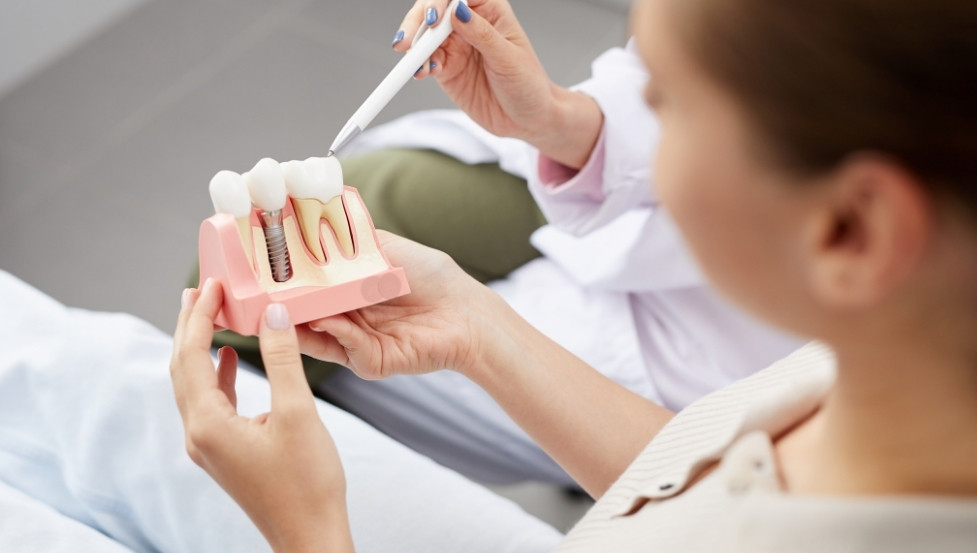
Implant-secured dentures attach to dental implants placed in the jawbone. This gives them greater stability than regular dentures, but they still rely on healthy gums and bone support.
Food plays a direct role in:
- Preventing gum irritation
- Supporting bone health
- Reducing pressure on implants
- Keeping chewing comfortable
- Limiting damage to denture materials
Eating well protects your investment and helps your smile function naturally.
Best Foods for Comfort and Stability
Soft, nutrient-rich foods work best, especially during the first months after placement or adjustments.
1. Cooked Vegetables
Steamed carrots, squash, zucchini, and green beans are gentle on dentures and rich in vitamins. They’re easy to chew and help avoid pressure on implant areas.
2. Eggs
Scrambled or soft-boiled eggs offer protein without needing heavy chewing. They’re ideal for breakfast and healing periods.
3. Yogurt and Cottage Cheese
These foods provide calcium and protein while staying gentle on gums. They also help maintain oral balance when paired with good hygiene.
4. Fish
Salmon, cod, and tilapia flake easily and are rich in omega-3 fatty acids that support gum health.
5. Oatmeal and Soft Grains
Warm oats, quinoa, and rice provide energy without stressing dentures.
Fresh Fruits That Work Well
Fruits are important, but should be chosen wisely.
Best options:
- Bananas
- Ripe pears
- Melons
- Applesauce
- Peaches without skin
These fruits hydrate the body and reduce the need for tough chewing, which strains attachments.
Foods That Help Bone and Gum Health
Strong support tissue keeps implants stable in the long term.
Add more of:
- Spinach
- Sweet potatoes
- Avocados
- Beans
- Tofu
- Soft cheeses
- Almond milk
These support vitamin D, calcium, and magnesium intake, all of which are important for oral health.
What to Limit or Avoid
Some foods increase wear or loosen denture components over time.
Limit:
- Hard nuts
- Ice
- Sticky candy
- Chewing gum
- Tough steak
- Popcorn kernels
- Corn on the cob
These can pull, crack, or shift denture parts.
Eating Tips for Everyday Comfort
- Cut food into smaller pieces
- Chew evenly on both sides
- Eat slowly
- Avoid sudden biting motions
- Drink water during meals
- Clean dentures after eating
These habits protect implants and improve long-term comfort.
Phoenix-Friendly Food Choices
Warm climates affect hydration and food texture. Local favorites that work well include:
- Soft breakfast burritos
- Bean soups
- Grilled fish tacos
- Mashed avocado sides
- Steamed rice bowls
- Slow-cooked meats
- Roasted squash
- Fresh fruit smoothies
Farmers’ markets around the Valley offer ripe produce that stays gentle on dentures while supporting nutrition.
Can You Eat Normally Again?
Yes, once fully healed, most people return to a normal diet with small adjustments. The goal is to avoid overly textured meals and keep meals balanced. Implant-supported dentures in Phoenix are designed for long-term use, but care and food choices help maintain that comfort.
How Food Protects Your Dental Investment
Implant dentures cost time and effort to place. Food directly affects:
- Implant stability
- Gum inflammation
- Denture wear
- Bone health
- Chewing comfort
Healthy meals lower repair risk and extend the life of your dentures.
Sample Meal Options for Patients with Dentures
- Breakfast: Oatmeal with banana and almond milk
- Lunch: Soft grilled chicken, mashed sweet potatoes, steamed vegetables
- Snack: Yogurt or cottage cheese
- Dinner: Baked salmon, rice, avocado slices
- Dessert: Soft fruit or pudding
Signs You Should Adjust Your Diet
Contact your dental office if you notice:
- Soreness after eating
- Dentures shifting
- Gum redness
- Clicking or looseness
- Trouble chewing
These can signal changes in bite or fit.
Food plays a larger role in denture comfort than most people expect. Choosing soft, nourishing meals helps protect implants and keeps eating enjoyable. With thoughtful choices and good habits, implant-supported dentures at Dental Home Family Dentistry can feel secure and natural for years to come.
A balanced diet paired with professional dental care keeps your smile strong and your meals worry-free.
People Also Ask
1. Can I eat meat with implant dentures?
Yes, but choose tender cuts and chew slowly. Grilled fish, soft chicken, and slow-cooked beef work best. Avoid tough or dry meats that require heavy tearing or biting pressure.
2. Are crunchy foods always bad?
Not all crunchy foods cause problems, but very hard textures can damage denture materials or strain implants. Light crunch like steamed vegetables is fine, while ice or hard nuts should be limited.
3. How long after getting dentures can I eat normally?
Most patients return to a broader diet within a few months after healing. Your dental provider will guide you based on how your gums and implants respond.
4. Do certain drinks affect implant dentures?
Water is best. Sugary drinks increase plaque buildup, while acidic beverages may irritate gums. Drinking with meals and rinsing afterward helps protect oral tissues.
5. Should I avoid spicy foods?
Spices themselves aren’t harmful, but very hot or irritating foods can bother healing gums. Mild seasoning is usually comfortable once tissues have settled.