
Teeth whitening has become a common goal for many individuals, with people seeking brighter smiles through various methods. While professional treatments remain the gold standard, the rise of natural and DIY whitening alternatives has gained attention. Bentonite clay is one such alternative, known for its purported health and beauty benefits.
As more people look for natural ways to achieve whiter teeth, Bentonite clay has emerged as a popular option. But how effective is Bentonite clay for teeth whitening? In this post, we will explore its potential, benefits, and scientific evidence to help you decide if it’s the right choice for your teeth whitening journey.
What Is Bentonite Clay?
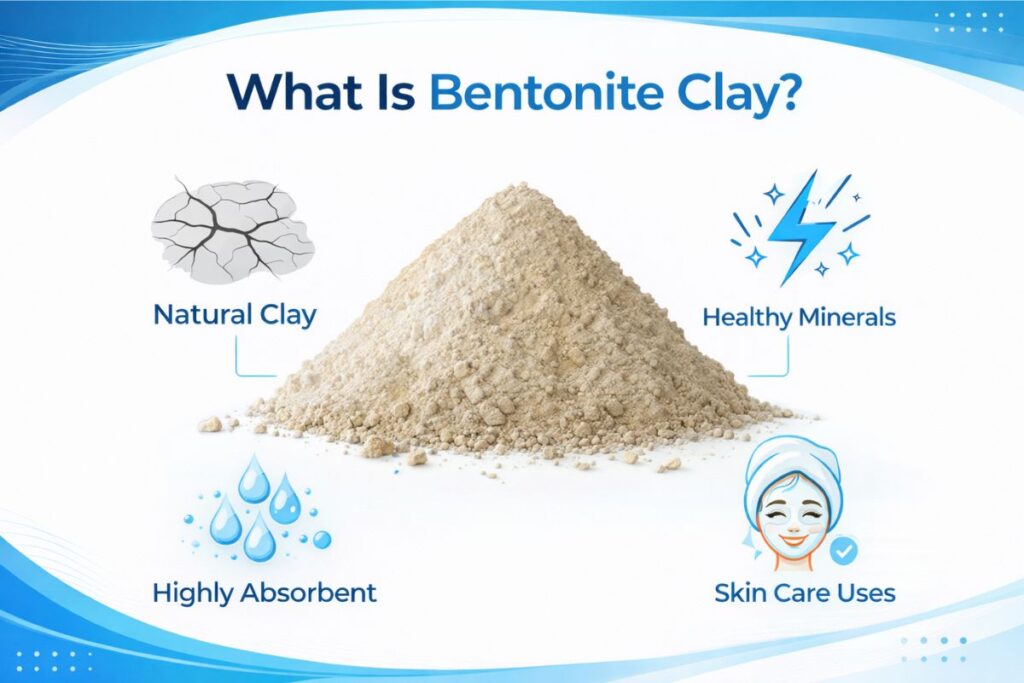
Bentonite clay is a natural volcanic ash clay composed primarily of minerals like montmorillonite, a type of smectite clay. It has been used for centuries in various cultures due to its healing properties. The clay is typically gray or cream in color and is known for its absorbent and detoxifying qualities. In traditional medicine, Bentonite clay has been applied for its ability to draw out impurities from the skin and body, making it a popular ingredient in skincare products.
Its versatility extends to health and beauty applications, particularly in products designed to cleanse and purify the body. It has been used in facial masks, detox drinks, and even for internal cleansing.
Bentonite clay’s absorption properties are key to its effectiveness in these uses. When used on teeth, it works similarly, drawing out impurities and surface stains. This natural ingredient has gained attention in the field of dental care as an alternative to chemical whitening treatments, offering a gentler approach to achieving a brighter smile.
How Bentonite Clay Works for Teeth Whitening
Bentonite clay has several properties that make it an attractive option for natural teeth whitening in Phoenix. Its absorbent nature allows it to attract and remove toxins, bacteria, and surface stains from the teeth.
The clay’s fine, abrasive texture helps gently scrub the enamel, removing plaque and debris that contribute to yellowing or discoloration. Over time, this gentle polishing action may brighten the teeth and contribute to a cleaner, healthier smile.
When used as a toothpaste alternative or mixed with water to create a paste, Bentonite clay may help remove surface stains caused by coffee, tea, or tobacco use. The clay works by binding to these stains and lifting them off the enamel. Additionally, Bentonite clay is known for its detoxifying properties, which may help cleanse the mouth by absorbing harmful substances, contributing to better oral health overall.
Its mild abrasiveness is crucial because it cleans teeth without being too harsh on the enamel, which can be a concern with other whitening methods. However, it’s important to remember that Bentonite clay is primarily effective for surface stains and may not work as well for more deep-set discoloration. Its whitening effects are gradual, requiring consistent use to see noticeable results.
Scientific Evidence Behind Bentonite Clay for Teeth Whitening
Despite the growing popularity of Bentonite clay as a teeth-whitening agent, there is limited scientific research specifically focused on its effectiveness. However, there are studies supporting the general benefits of clay-based toothpaste, particularly in terms of cleaning and plaque removal. Bentonite clay’s natural abrasive properties are acknowledged in dental care, where it is often used in gentle toothpastes to help with stain removal.
Some research has shown that certain types of clay, including Bentonite, can help remove plaque and bacteria from teeth. However, the evidence supporting Bentonite clay’s ability to whiten teeth specifically is sparse, and most studies focus on the clay’s cleaning and detoxifying properties. While many people report positive results from using Bentonite clay for teeth whitening, there is no clinical evidence that conclusively proves it is as effective as professional whitening treatments, such as bleaching or whitening strips.
When comparing Bentonite clay to other whitening methods, it’s clear that while it can be a helpful supplement, it may not provide the same instant results as more intensive treatments. However, its use in holistic and natural oral care products suggests that, when used correctly, it can help maintain a healthier smile over time, especially for individuals looking for gentler alternatives.
Potential Benefits of Using Bentonite Clay for Teeth Whitening
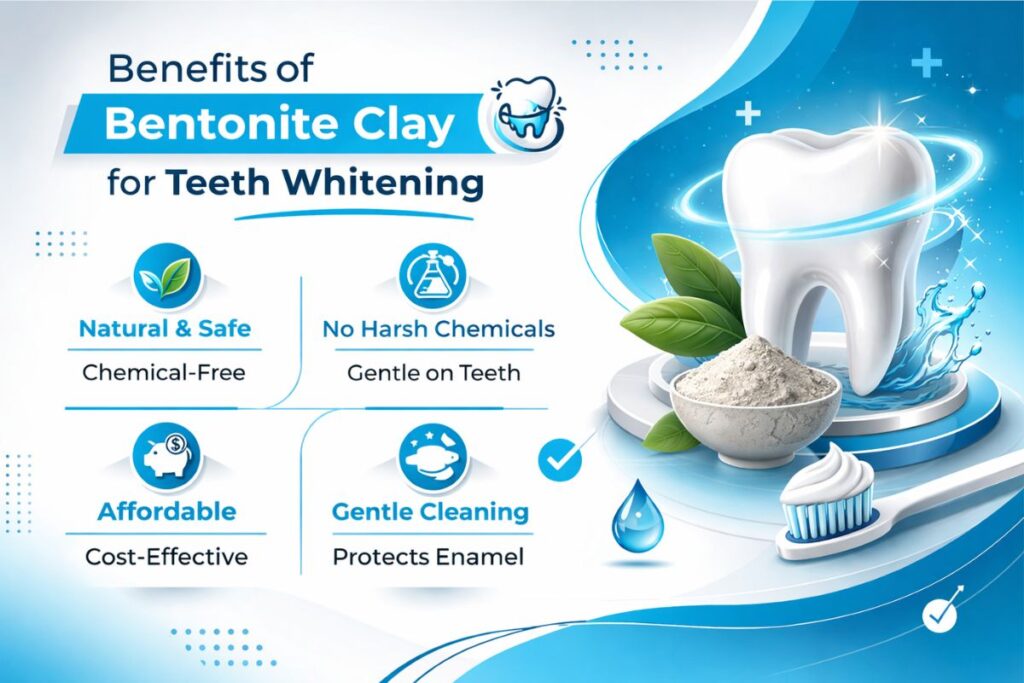
Bentonite clay offers several advantages for those seeking a more natural approach to teeth whitening in Phoenix. Here are some key benefits:
- Natural Composition: One of the main attractions of Bentonite clay is its natural, chemical-free composition. Unlike many commercial teeth-whitening products that contain harmful chemicals, Bentonite clay provides a safer, gentler alternative.
- Minimal Chemical Exposure: For individuals concerned about the chemicals in traditional whitening products, Bentonite clay offers a great solution. It avoids the harshness of bleaching agents or synthetic compounds, making it a more holistic option.
- Affordability: Bentonite clay is relatively inexpensive compared to professional teeth-whitening procedures. It can be used regularly without the high costs of dental visits or store-bought whitening products.
- Gentle Cleaning: Its mild abrasiveness makes it an excellent tool for daily use, removing plaque and food particles without damaging the enamel.
When compared to traditional teeth-whitening methods, such as hydrogen peroxide or over-the-counter whitening strips, Bentonite clay stands out for its gentleness and natural ingredients. While these products may offer faster results, they often come with a greater risk of sensitivity or gum irritation. Bentonite clay, on the other hand, offers a more gradual approach to whitening with less risk of irritation.
How to Use Bentonite Clay for Teeth Whitening
Using Bentonite clay for teeth whitening is straightforward. Here’s a step-by-step guide:
- Mix the Clay: Start by mixing a small amount of Bentonite clay with water to form a smooth paste. You can also find ready-made Bentonite clay toothpaste products that are pre-mixed for convenience.
- Apply the Paste: Use a soft toothbrush to apply the paste to your teeth. Gently brush your teeth for 2-3 minutes, ensuring the paste covers all areas of your teeth, focusing on areas with staining or plaque buildup.
- Rinse Thoroughly: After brushing, rinse your mouth with water to remove the clay. Be sure to rinse well, as you don’t want to leave any residue on your teeth.
- Repeat Regularly: For the best results, use Bentonite clay 2-3 times a week. Overuse can lead to enamel wear, so it’s important to use it in moderation.
Safety Tips:
- Avoid brushing too aggressively, as the abrasiveness of the clay can wear down enamel if used excessively.
- Be cautious about overuse, as it could lead to tooth sensitivity.
- Always consult with your dentist before starting any new whitening routine to ensure it’s suitable for your teeth.
In conclusion, Bentonite clay can be an effective natural alternative for those looking for a gentler approach to teeth whitening. While it may not offer the dramatic results of professional treatments, it can help remove surface stains, detoxify the mouth, and maintain oral health. For individuals seeking a chemical-free solution, Bentonite clay offers a promising option that is gentle on both the teeth and the environment.
However, for those looking for faster or more noticeable results, professional teeth whitening treatments may still be the best choice. If you’re considering adding Bentonite clay to your dental care routine, it’s always a good idea to consult with a professional at Dental Home Family Dentistry. We can guide you through safe whitening options tailored to your unique dental needs.
Contact us today to schedule your appointment and learn more about our whitening treatments!
People Also Know
1. How long does it take to see results with Bentonite clay?
Results vary, but you may start seeing subtle whitening effects after a few weeks of consistent use, especially for surface stains.
2. How often should I use Bentonite clay for teeth whitening?
For best results, use Bentonite clay 2-3 times a week to avoid overuse, which could lead to enamel sensitivity.
3. Can Bentonite clay help with bad breath?
Yes, Bentonite clay’s detoxifying properties can help reduce bacteria in the mouth, which may contribute to fresher breath.
4. How should I store Bentonite clay for teeth whitening?
Store Bentonite clay in a cool, dry place, away from moisture, to maintain its effectiveness and prevent clumping.
5. Does Bentonite clay cause tooth sensitivity?
Bentonite clay is generally gentle, but overuse or excessive abrasiveness can cause mild sensitivity. Use in moderation to minimize risk.