

Have you ever looked in the mirror and wondered, “How often should I refresh my bright, white smile?” If so, you’re not alone. Teeth whitening has become a popular cosmetic treatment, as a bright smile is often seen as a sign of health and confidence.
But while many people love the idea of whiter teeth, understanding the ideal frequency for teeth whitening treatments is crucial. Overdoing it can lead to sensitivity or damage, while not maintaining a consistent whitening schedule can make your results fade too quickly.
In this post, we’ll guide you through everything you need to know about how often you should schedule teeth whitening treatments, the factors that influence it, and the best practices for maintaining a dazzling smile. Whether you opt for professional in-office whitening or at-home treatments, knowing the right timing is essential for safe and effective results.
What Is Teeth Whitening?
Teeth whitening refers to a cosmetic procedure aimed at lightening the color of teeth by removing stains and discoloration. This treatment is often a sought-after solution for people looking to improve the appearance of their smile.
There are two primary types of teeth whitening in Phoenix: in-office treatments and at-home treatments. In-office treatments are performed by a dental professional and usually involve stronger bleaching agents, providing more immediate and dramatic results. At-home treatments, on the other hand, typically use products like whitening strips, gels, or trays that you can use in the comfort of your own home, often over the course of a few days or weeks.
Some of the most common whitening methods include:
- Whitening Strips: These are thin, flexible strips coated with a peroxide-based gel. They are an easy, at-home option, but may take several applications to show results.
- Whitening Gels & Trays: These involve applying a bleaching gel to your teeth with a custom tray that fits over your teeth. You may wear the tray for a few hours or overnight, depending on the product.
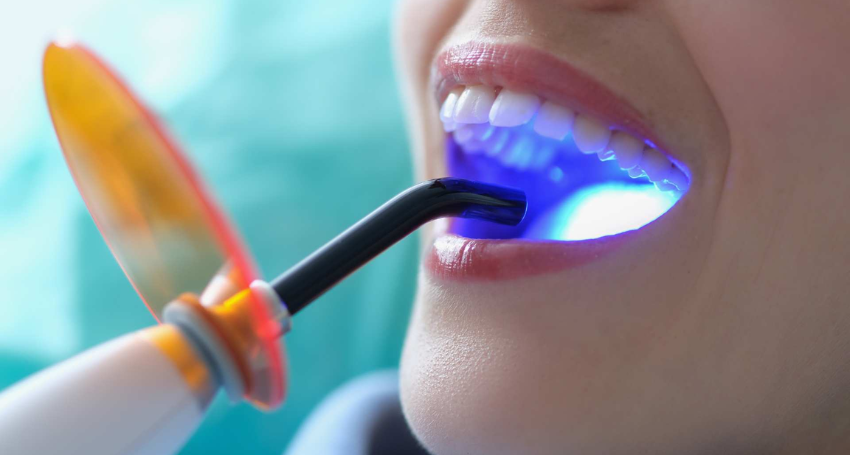
- Laser Teeth Whitening: In-office treatments often use lasers or light to accelerate the bleaching process. This method provides faster results and is often used for more stubborn stains.
- Whitening Toothpastes: While not as powerful as other options, whitening toothpastes help remove surface stains and can be used daily to maintain a bright smile.
Factors That Affect the Frequency of Teeth Whitening
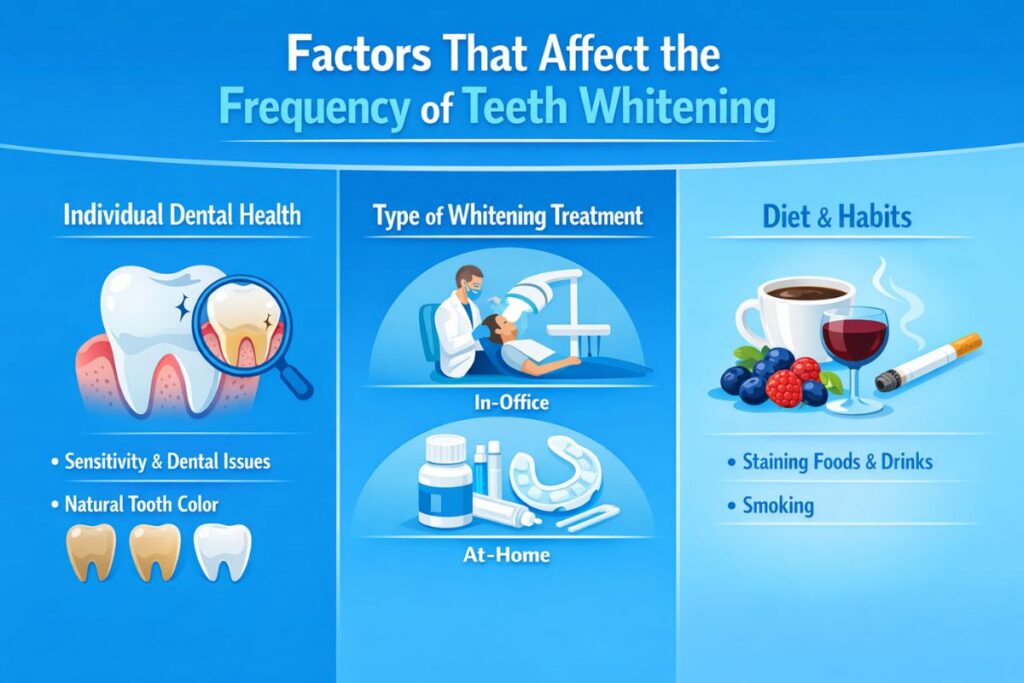
Individual Dental Health: Your oral health plays a major role in how often you should whiten your teeth. If you have a history of sensitive teeth, gum recession, or other dental issues, you may need to space out treatments to avoid discomfort.
Additionally, the natural color of your teeth affects how quickly you’ll notice results from whitening treatments. People with naturally darker teeth may require more frequent sessions to maintain a bright smile.
Type of Whitening Treatment: Not all whitening treatments are created equal. In-office treatments, with their stronger formulations, can provide lasting results for months.
In contrast, at-home whitening options, while more affordable and convenient, may require more frequent touch-ups to maintain their effectiveness.
Diet and Habits: Your eating habits also play a role in how long your whitening results last. Consuming staining foods and drinks, such as coffee, tea, red wine, or dark berries, can cause your teeth to discolor more quickly.
Smoking is another major culprit, as nicotine and tar can stain teeth. If you have a diet high in these staining foods, you may need to whiten your teeth more frequently to keep them bright.
How Often Should You Get Teeth Whitening?
General Guidelines:
The frequency of teeth whitening in Phoenix largely depends on the type of treatment you’re using and your lifestyle habits. For in-office whitening treatments, the results can last anywhere from 6 months to a year. This is because these treatments typically use stronger bleaching agents that provide more immediate and longer-lasting results.
However, the longevity of these results depends on how well you maintain your oral hygiene and avoid staining foods or habits like smoking.
At-home whitening treatments, such as strips or gels, often require more frequent touch-ups. You might need to whiten every few weeks or months to maintain a bright smile. These treatments are generally milder and take longer to show results, so they need more consistent use to keep your teeth white.
At-home methods are great for people who want to maintain results between professional treatments, but may not provide the same dramatic effect.
Considerations for Sensitive Teeth:
If you have sensitive teeth or gums, it’s important to proceed with caution. Whitening treatments can exacerbate sensitivity, causing discomfort or even pain. If you experience sensitivity, consider using products specifically designed for sensitive teeth. Your dentist may recommend gentler treatments or longer intervals between whitening sessions.
There are also desensitizing products available that can help protect your teeth while still achieving bright results. Always consult your dentist before starting any whitening treatments if you have sensitive teeth, as they can provide tailored advice for your needs.
Professional vs. Over-the-Counter Whitening:
Professional whitening treatments typically last longer and provide more immediate results due to the stronger bleaching agents used. These treatments usually need to be repeated every 6-12 months.
On the other hand, over-the-counter products like whitening strips or toothpaste are less potent, which means you may need to apply them more frequently, typically every few weeks. While at-home options are more affordable, professional treatments offer superior results and longer-lasting whiteness.
Consider discussing both options with your dentist to determine which method fits your needs and lifestyle best.
The Risks of Overdoing It
Enamel Damage: One of the most significant risks of excessive whitening is enamel damage. Enamel is the outer layer of your teeth, and overuse of whitening treatments can lead to thinning, making your teeth more vulnerable to decay and sensitivity. It’s essential to follow your dentist’s recommendations on how often to whiten to avoid damaging your enamel.
Gum Sensitivity: Over-whitening can cause gum irritation and sensitivity. The bleaching agents can affect the soft tissues in your mouth, leading to discomfort. If you notice your gums becoming red, swollen, or painful after whitening, it’s a sign that you may be overdoing it.
Maintaining a Healthy Balance: While whitening can improve the appearance of your smile, it’s crucial to maintain a healthy balance. Overuse can lead to complications that outweigh the benefits. To prevent this, make sure to follow professional advice, schedule regular checkups, and avoid whitening too frequently.
Tips for Prolonging Whitening Results
Proper Oral Hygiene: To keep your teeth white for as long as possible, it’s essential to maintain a solid oral hygiene routine. Brush your teeth twice a day, floss regularly, and use a mouthwash designed to help maintain whiteness. You may also want to invest in whitening toothpaste that can gently remove surface stains between treatments.
Avoiding Staining Foods: Limiting your intake of staining foods and drinks can significantly extend the results of your whitening treatment. Drink plenty of water, and consider using a straw for beverages like coffee or soda to minimize contact with your teeth.
Regular Touch-Ups: Even after professional treatments, it’s a good idea to perform occasional touch-ups at home to keep your smile bright. Your dentist can recommend a suitable at-home whitening product based on your needs.
Teeth whitening is a wonderful way to boost your confidence and brighten your smile. However, knowing how often to get the treatment is essential for achieving the best results without compromising your dental health. Always consider your individual needs, the type of whitening treatment you’re using, and your lifestyle choices.
For personalized advice on teeth whitening, schedule an appointment with Dental Home Family Dentistry Phoenix today. Our team will help you determine the best treatment plan for your smile, ensuring safe, effective results that last. We’re here to help you achieve the smile you’ve always dreamed of!
People Also Ask
1. How long do teeth whitening treatments last?
In-office whitening can last 6 months to a year, while at-home treatments may need to be repeated every few weeks or months for optimal results.
2. How often should I use at-home whitening products?
At-home whitening products typically require use every few weeks, but it depends on the product’s strength and your lifestyle habits.
3. How can I make my teeth whitening last longer?
Maintaining good oral hygiene, avoiding staining foods (like coffee and red wine), and using whitening toothpaste can help prolong the effects.
4. How soon can I eat or drink after a whitening treatment?
After a professional treatment, it’s best to avoid staining foods and drinks for at least 24-48 hours to prevent discoloration.
5. How does diet affect my whitening results?
Foods and drinks like coffee, tea, and red wine can stain your teeth. Reducing these can help your whitening results last longer.