

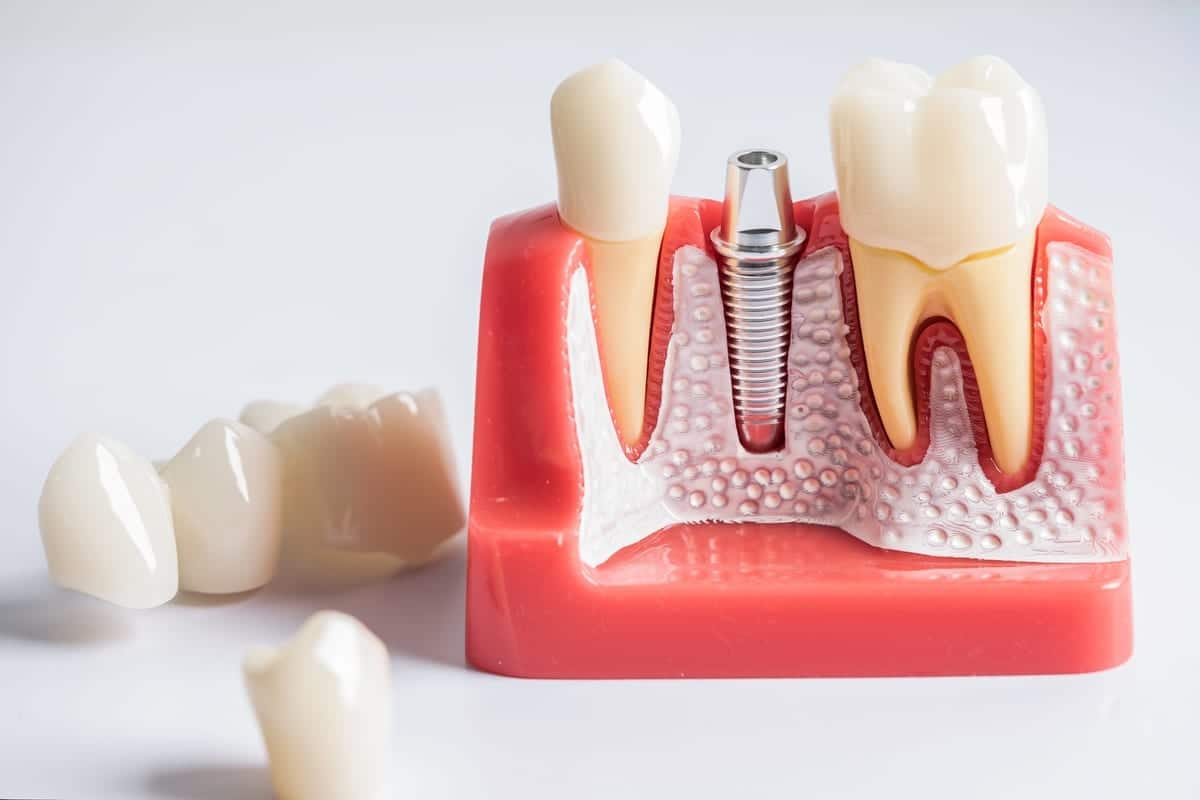
Understanding what happens after your dental implant surgery is just as important as the procedure itself. A smooth recovery sets the foundation for long-term implant success. At Dental Home Family Dentistry Phoenix, Dr. Edward Furlong helps patients navigate every stage of healing with confidence. This recovery guide covers everything Phoenix patients need to know.
Your Dental Implant Recovery Timeline in Phoenix
Recovery after dental implant surgery happens in predictable stages. Knowing what to expect helps you stay calm and prepared. Most patients move through three key phases over several months.
During the first 24–72 hours, swelling and mild bleeding are completely normal. Your body begins forming a protective blood clot at the implant site. Rest as much as possible and keep your head elevated when lying down.
The first two weeks focus on soft tissue healing. Gum soreness gradually decreases during this period. Most patients return to light daily activities within three to five days.
The final phase is called osseointegration. This is when the implant fuses directly with your jawbone. This process typically takes three to six months in healthy patients.
- Days 1–3: Rest, manage swelling, avoid strenuous activity
- Days 4–14: Soft tissue healing, reduced soreness
- Weeks 3–12: Gradual return to normal diet and activities
- Months 3–6: Osseointegration completes, crown placement begins
What to Eat After Dental Implant Surgery
Your diet plays a critical role in how well your implant heals. The wrong foods can disturb the implant site and slow recovery. Sticking to the right foods protects your investment and reduces discomfort.
For the first week, focus entirely on soft, cool, and easy-to-chew options. Think smoothies, yogurt, mashed potatoes, and scrambled eggs. Avoid anything crunchy, chewy, or extremely hot.
As healing progresses into week two, you can gradually reintroduce softer cooked foods. Pasta, fish, and soft-cooked vegetables are great choices. Continue avoiding seeds, popcorn, and hard breads that could irritate the site.
- Eat freely: Smoothies, applesauce, soup (lukewarm), soft cheese, pudding
- Eat cautiously: Soft pasta, cooked vegetables, scrambled eggs, ripe bananas
- Avoid completely: Hard candies, raw vegetables, chips, sticky foods, alcohol
By weeks three and four, most patients tolerate a nearly normal diet. Always follow Dr. Furlong’s specific dietary instructions for your case. Every patient heals at a slightly different pace.
Managing Pain and Discomfort During Recovery
Some discomfort after dental implant surgery is completely expected. The good news is that most patients find pain manageable with the right approach. Dr. Furlong provides personalized post-operative care instructions for every patient at Dental Home Family Dentistry Phoenix.
Over-the-counter anti-inflammatory medications like ibuprofen work well for most patients. Take them as directed and start before your anesthesia wears off completely. This proactive approach keeps discomfort at a lower level from the start.
Ice packs help control swelling during the first 48 hours. Apply ice in 20-minute cycles to the outside of your cheek. After 48 hours, switch to warm compresses to encourage blood flow.
Prescription pain relief may be provided for more complex cases. Always take medications exactly as prescribed. Contact our office immediately if pain suddenly increases after day three — that can signal a complication.
Long-Term Care Tips to Protect Your Dental Implant
Once healing is complete, caring for your implant becomes part of your daily routine. Implants are incredibly durable, but they still require consistent maintenance. Proper care ensures your implant lasts for decades.
Brush twice daily using a soft-bristled toothbrush around the implant crown. Floss carefully using implant-specific floss or a water flosser. These simple habits prevent bacterial buildup that can threaten the surrounding gum tissue.
Routine dental visits are essential for implant longevity. Professional cleanings support the health of your Preventive Dentistry goals and catch any early signs of implant complications. Dr. Furlong recommends check-ups every six months for implant patients.
Avoid habits that put excessive pressure on your implant. Chewing on ice, using your teeth as tools, or grinding your teeth can damage the crown or loosen the implant. If you grind at night, ask about a custom nightguard to protect your smile.
Patients who maintain their implants well often enjoy beautiful results for life. Pairing implant care with broader Cosmetic Dentistry options can further enhance your smile’s appearance. A healthy implant looks and functions just like a natural tooth.
Warning Signs to Watch for After Surgery
Most implant recoveries go smoothly without major complications. However, knowing the warning signs helps you act quickly if something seems off. Early intervention always leads to better outcomes.
Contact Dr. Furlong’s office right away if you experience any of the following:
- Severe or worsening pain after day three
- Implant feeling loose or shifting in position
- Persistent bleeding that won’t stop with gentle pressure
- Fever above 101°F that does not resolve
- Unusual taste or discharge around the implant site
These symptoms are uncommon but require prompt attention. Do not wait or assume symptoms will resolve on their own. Reaching out quickly gives our team the chance to help before minor issues become serious.
Frequently Asked Questions
How long does dental implant recovery take in Phoenix?
Most patients feel comfortable within one to two weeks after surgery. Full osseointegration — where the implant bonds to the jawbone — takes three to six months. Dr. Furlong will monitor your progress at each follow-up visit.
Is dental implant surgery painful?
The surgery itself is performed under local anesthesia, so you should feel no pain during the procedure. Mild to moderate soreness is normal in the days following. Over-the-counter pain relievers and ice packs manage discomfort effectively for most patients.
When can I eat normally after dental implant surgery?
Most patients return to a normal diet around weeks three to four. You should stick to soft foods for the first two weeks to protect the healing site. Dr. Furlong will advise you when it is safe to resume your regular eating habits.
Can I exercise after getting a dental implant?
Light walking is generally fine after 24 hours. However, avoid strenuous exercise, heavy lifting, or intense cardio for at least five to seven days. Elevated heart rate can increase bleeding and slow healing at the implant site.
How do I clean my dental implant during recovery?
Gently rinse with warm saltwater starting 24 hours after surgery. Brush the surrounding teeth carefully, avoiding the implant site during the first few days. Dr. Furlong will provide specific cleaning instructions tailored to your healing progress.
Recovering well from dental implant surgery in Phoenix is absolutely achievable with the right guidance and care. Dr. Edward Furlong and the team at Dental Home Family Dentistry Phoenix are here to support you every step of the way. Book Now to schedule your appointment with our team.