

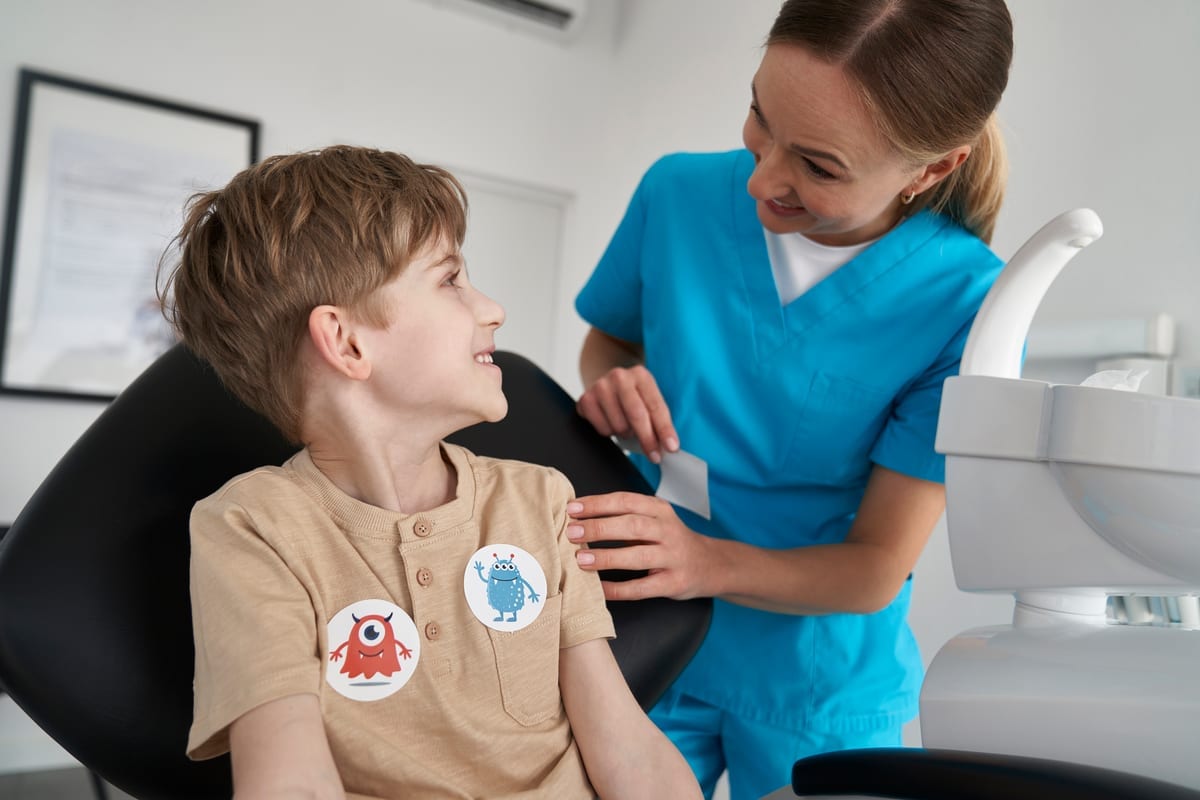
Many Phoenix parents wonder when should your child first see an orthodontist in Phoenix — and the answer may surprise you. Most people assume orthodontic care starts with braces in the teen years. However, early evaluation can catch problems before they become serious. Acting at the right time can save your child from more complex treatment later.
At Dental Home Family Dentistry Phoenix, Dr. Edward Furlong and our team are committed to guiding families through every stage of their child’s oral health. Understanding orthodontic timing is one of the most valuable things a parent can know. This article breaks down exactly what to watch for, when to act, and what to expect.
When Should Your Child First See an Orthodontist in Phoenix?
The American Association of Orthodontists recommends a child’s first orthodontic screening by age 7. At this age, enough permanent teeth have erupted for a specialist to assess alignment and jaw development. An early visit does not always mean early treatment. It simply means a trained professional can monitor growth and intervene only if needed.
Many Phoenix children are referred by their general dentist after a routine checkup. Others come in because a parent noticed something unusual. Either path leads to the same goal — identifying whether treatment is needed now, later, or not at all.
Early evaluation is a core part of Preventive Dentistry Phoenix because catching bite problems early helps preserve long-term oral health. Prevention is always more affordable and less invasive than correction.
What Is a Phase 1 Orthodontic Evaluation?
A Phase 1 evaluation, also called interceptive orthodontics, typically happens between ages 6 and 10. This is the stage when a child still has a mix of baby teeth and permanent teeth. The goal is to identify developing problems early — before the jaw stops growing.
During this evaluation, the orthodontist or dentist examines several key areas:
- Jaw width and alignment
- The relationship between upper and lower teeth
- Crowding or spacing concerns
- Crossbites, underbites, or overbites
- Habits like thumb-sucking that affect tooth position
- Early or late loss of baby teeth
Not every child needs Phase 1 treatment. For many kids, monitoring over time is the best approach. However, when problems are detected early, treatment is often shorter and more effective.
Phase 1 treatment might include expanders, partial braces, or space maintainers. These appliances guide jaw growth and create room for permanent teeth to emerge correctly. Acting during this window can reduce or eliminate the need for tooth extractions later.
Early Warning Signs Parents Can Spot at Home
You do not need to be a dental professional to notice certain red flags. Parents who observe their child’s smile, speech, and chewing habits have a real advantage. Catching early signs can prompt a timely evaluation.
Watch for these warning signs in your child:
- Teeth that appear crowded, crooked, or overlapping
- Difficulty chewing or biting food properly
- Mouth breathing, especially during sleep
- Thumb-sucking or pacifier use past age 4
- Speech difficulties or a lisp
- Upper and lower teeth that do not meet evenly
- Jaw clicking, shifting, or discomfort
- Teeth that protrude significantly
If your child shows one or more of these signs, schedule an evaluation promptly. Earlier action generally leads to better outcomes. Do not wait until all permanent teeth have come in to seek advice.
Even children without visible concerns benefit from a baseline screening at age 7. A quick evaluation gives your dentist a starting point for tracking changes over time.
How Phoenix Parents Can Prepare for the First Visit
Preparing your child for an orthodontic visit can ease anxiety for both of you. Explain that the visit is simply a checkup — not a procedure. Most initial evaluations are completely painless and involve photos, X-rays, and a visual exam.
Here is what typically happens during a first orthodontic screening:
- A review of your child’s dental and medical history
- Panoramic X-rays to view all teeth and jaw structures
- Photos of the face, profile, and smile
- A hands-on examination of bite alignment
- A discussion with parents about findings and next steps
Dr. Furlong recommends that Phoenix families use the first orthodontic visit as an opportunity to ask questions. Ask about the timeline, the options available, and what happens if you wait. An informed parent makes better decisions for their child’s care.
Consistent dental checkups are the foundation of this process. Regular visits allow your dental team to track changes and refer you at exactly the right moment. This is another reason why routine Preventive Dentistry Phoenix visits are so important for growing children.
What Happens If Orthodontic Issues Are Left Untreated?
Some bite problems resolve on their own as a child grows. Others worsen significantly without intervention. Untreated orthodontic issues can affect far more than just appearance.
Children with bite misalignment may struggle to clean between crowded teeth. This raises the risk of cavities and gum disease over time. Severe malocclusion can even contribute to jaw pain and TMJ dysfunction in adolescence or adulthood.
Speech development can also be affected. Children with significant bite issues sometimes develop compensatory speech patterns. Early orthodontic correction can support clearer speech during critical developmental years.
Addressing alignment early also benefits your child’s confidence. A healthy, well-aligned smile supports self-esteem during the school years. Combining orthodontic care with the right Cosmetic Dentistry Phoenix options later can give your child a smile they are proud to share.
Frequently Asked Questions
At what age should a child have their first orthodontic screening?
Most orthodontic professionals recommend a child’s first screening by age 7. At this point, enough permanent teeth have emerged for a specialist to assess jaw development and bite alignment. An early visit allows for monitoring, not necessarily immediate treatment.
Does my child need to see a separate orthodontist, or can their dentist evaluate them?
General dentists like Dr. Furlong routinely screen children for orthodontic concerns during regular checkups. If a more detailed evaluation is needed, your dentist will refer you to an orthodontic specialist. Staying current with routine dental visits ensures your child’s development is tracked consistently.
What is the difference between Phase 1 and Phase 2 orthodontic treatment?
Phase 1 treatment happens while a child still has baby teeth, typically between ages 6 and 10. It addresses jaw growth and space issues early. Phase 2 treatment occurs once all permanent teeth have erupted and typically involves traditional braces or clear aligners like Invisalign.
What if my child is already a teenager — is it too late for early intervention?
It is never too late to begin orthodontic treatment. Teenagers and even adults can benefit from orthodontic care. However, some corrections are easier and faster when addressed during childhood when the jaw is still developing. A dental evaluation will help determine the best approach for your child’s age and needs.
How often should my child see a dentist before their orthodontic treatment begins?
Children should visit a dentist every six months for routine cleanings and exams. These regular appointments allow your dental team to monitor tooth eruption patterns and bite development. Early and consistent care gives your child the best foundation for a healthy, aligned smile.
At Dental Home Family Dentistry Phoenix, Dr. Edward Furlong and our caring team are here to help your child thrive at every stage of their oral health journey. Whether you have noticed a concern or simply want peace of mind, we encourage you to bring your child in for an evaluation. Book Now to schedule your appointment with our team.