

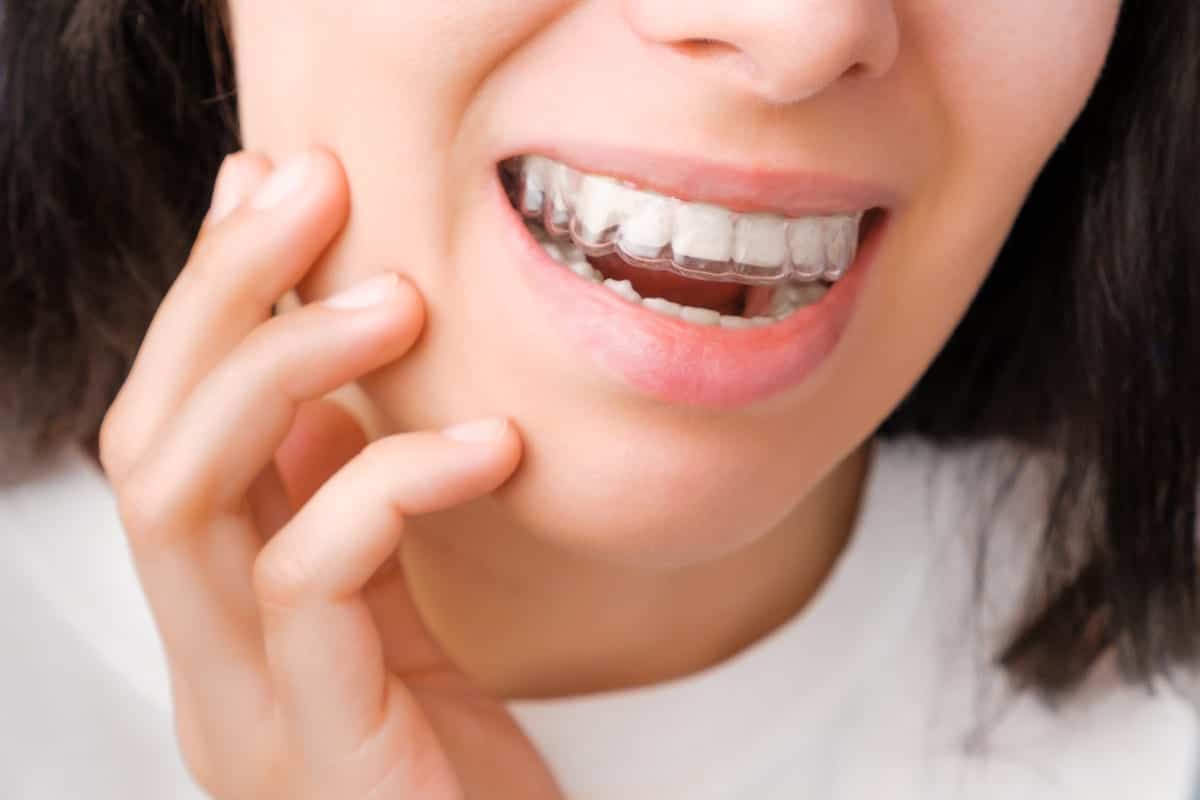
Completing your final Invisalign tray is a big moment. Your smile looks straighter, your confidence has grown, and you’re ready to celebrate. But here’s something every Phoenix patient needs to know: Your Invisalign journey doesn’t end when trays do, and what’s next in Phoenix matters just as much as the treatment itself. The retention phase is where your results are either protected or quietly lost. Dr. Edward Furlong at Dental Home Family Dentistry Phoenix walks every patient through this critical next step.
Why Retainers Are the Real Finish Line After Invisalign in Phoenix
After your last aligner tray, your teeth are in their new positions — but they aren’t locked in place yet. The bone and soft tissue surrounding each tooth need time to stabilize around those new positions. Without a retainer, teeth begin drifting back toward their original spots almost immediately.
This isn’t a flaw in Invisalign treatment. It’s simply how human biology works. Teeth are held in place by the periodontal ligament, which retains a kind of memory of where teeth used to be. Retainers override that memory long enough for permanent stability to develop.
Think of your retainer as the final stage of your Invisalign treatment — not an optional add-on. Skipping it or wearing it inconsistently can undo months of progress. Dr. Furlong emphasizes this at every end-of-treatment appointment.
What Happens to Your Teeth Without a Retainer
Relapse is the clinical term for teeth shifting back after orthodontic treatment. It’s more common than most patients expect. Studies consistently show that teeth begin moving within days of finishing treatment when no retainer is used.
The first areas to shift are usually the front teeth, particularly the lower incisors. These teeth have the least bone support and the most pressure from daily chewing, speaking, and tongue position. Minor crowding can return surprisingly quickly.
Here’s what relapse can lead to if left unchecked:
- Overlapping or crowding of front teeth
- Gaps reopening between teeth
- Bite misalignment returning
- Increased risk of uneven enamel wear
- Potential need for repeat orthodontic treatment
The good news is that relapse is entirely preventable. Consistent retainer use is the single most effective way to protect your Invisalign investment. Dr. Furlong’s team makes sure every Phoenix patient leaves with a clear plan.
How Long Do You Actually Need to Wear a Retainer?
This is one of the most common questions Dr. Furlong hears after Invisalign completion. The honest answer is: retainers are a long-term commitment, not a short-term phase. The exact timeline depends on your individual case, but here is a general framework most patients follow.
For the first three to six months after treatment, full-time wear is typically recommended. That means wearing your retainer for 20 to 22 hours per day — very similar to how you wore your aligners. This period is the most critical for stability.
After that initial phase, most patients transition to nighttime-only wear. This is still a daily habit, but it fits more comfortably into a normal lifestyle. Many dentists, including Dr. Furlong, recommend nighttime retainer use indefinitely to maintain long-term results.
Here’s a simple breakdown of typical retainer wear schedules:
- Months 1–6: Full-time wear (20–22 hours per day)
- Months 7–12: Transition to nighttime wear as directed
- Year 2 and beyond: Nightly wear for long-term stability
Every patient’s timeline may vary slightly. Your specific bite, tooth movement history, and tissue response all play a role. Dr. Furlong customizes post-treatment guidance for each person at Dental Home Family Dentistry Phoenix.
Types of Retainers Available After Invisalign
Patients have options when it comes to retention. The right choice depends on your lifestyle, preferences, and clinical needs. Dr. Furlong will recommend the best type during your final Invisalign appointment.
The most common option after Invisalign is a clear removable retainer. These look almost identical to Invisalign trays and fit seamlessly into your routine. They’re easy to clean, comfortable to wear, and nearly invisible to others.
Fixed or bonded retainers are another option. A thin wire is bonded to the back surfaces of your front teeth. These are permanent and require no daily effort — but they do need careful cleaning. Your hygiene habits play a large role in whether a fixed retainer is a good fit.
Some patients use a combination of both types. For example, a fixed lower retainer paired with a removable upper retainer. Dr. Furlong will discuss the pros and cons of each with you directly. Maintaining your retainer — whatever type — also connects to your broader Preventive Dentistry Phoenix care plan.
Caring for Your Retainer and Your Smile in Phoenix
A retainer only works if it fits properly and stays clean. Buildup of bacteria, plaque, and calculus on a retainer can harm your gum health over time. Cleaning your retainer daily is just as important as wearing it.
Here are key retainer care habits Dr. Furlong recommends:
- Rinse your retainer with cool water every time you remove it
- Brush it gently with a soft toothbrush and mild soap — not toothpaste
- Soak it regularly in a retainer cleaning solution
- Store it in its case when not in use — never wrap it in a napkin
- Bring it to every dental checkup so Dr. Furlong can assess the fit
Retainers do wear out over time. Clear retainers typically last one to three years with proper care. If yours cracks, warps, or no longer fits snugly, contact our office promptly. A poor-fitting retainer provides little protection against shifting.
Your post-Invisalign smile is also a great canvas for exploring additional Cosmetic Dentistry Phoenix options. Teeth whitening, for example, is very popular among patients who have just completed alignment treatment.
Staying Connected With Your Dental Team After Invisalign
The retention phase is not something you navigate alone. Regular checkups with Dr. Furlong at Dental Home Family Dentistry Phoenix ensure that your results are holding and your retainer still fits correctly. These visits also give our team a chance to catch any minor shifts early — before they become bigger problems.
Post-Invisalign care is a partnership. You wear your retainer consistently, and we monitor your progress at every visit. That combination is what makes long-term results achievable for Phoenix patients.
Your Invisalign journey doesn’t end when trays do — and what’s next in Phoenix is a straightforward, manageable routine that protects everything you worked for. Dr. Furlong and the team at Dental Home Family Dentistry Phoenix are here to guide every step of the way. Book Now to schedule your appointment with our team.
Frequently Asked Questions
How soon after finishing Invisalign do I need to start wearing a retainer?
You should begin wearing your retainer immediately after your last Invisalign tray. Even one or two days without retention can allow minor tooth movement to begin. Dr. Furlong typically provides your retainer at or just before your final aligner appointment so there is no gap in protection.
What happens if I forget to wear my retainer for a few nights?
A few missed nights may not cause visible changes, but you may notice your retainer feels slightly tighter when you put it back in. That tightness is a sign that minor shifting occurred. If your retainer feels painful or no longer fits at all, contact Dental Home Family Dentistry Phoenix right away rather than forcing it in.
Do I really need to wear a retainer forever?
Most dental professionals recommend nightly retainer wear indefinitely. Teeth never fully stop moving throughout life. Wearing your retainer every night is the most reliable way to preserve your Invisalign results long-term. It becomes a simple habit for most patients after the first few months.
Can I get a replacement retainer if mine breaks or gets lost?
Yes. Dr. Furlong’s team can create a new clear retainer for you. It’s important to replace a broken or lost retainer as quickly as possible. Delaying replacement allows teeth to shift, and a new retainer made weeks later may no longer fit properly if significant movement has occurred.
Is retention different for adults than for teenagers?
Adult teeth are generally more stable than adolescent teeth, but retention is still essential for everyone. Teenagers may experience more movement because their jaws are still developing. Dr. Furlong tailors the retention schedule based on age, the extent of tooth movement completed, and how the patient’s tissues respond after treatment.