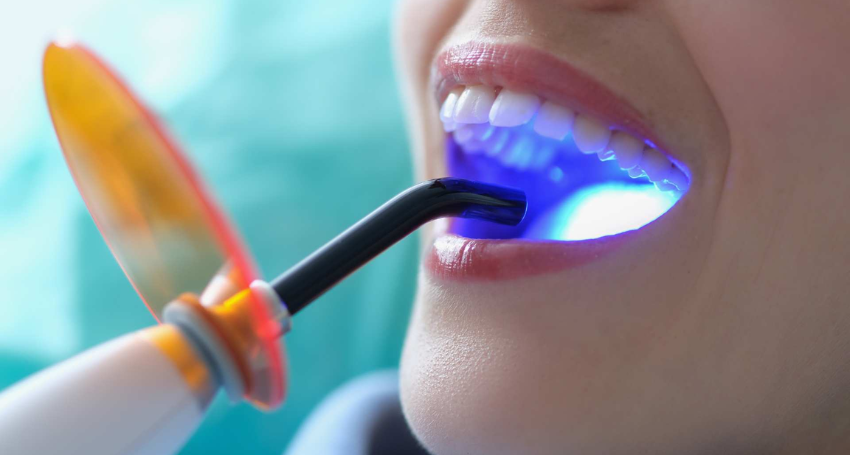


Enameloplasty is a simple way to remove minor flaws in your teeth. Dentists use it to gently reshape and contour the enamel—the thin, outer layer of your tooth—so your smile looks better and feels more even. It’s not a big, dramatic procedure; most people come in with small chips, a bit of unevenness, or maybe some discoloration, and walk out with a more polished look. If you want to upgrade your smile without going through something major like crowns or veneers, enameloplasty can be a good place to start.
But is this the right move for you? That depends on what’s going on with your teeth. Let’s break it down.
What is Enameloplasty?
Sometimes called tooth contouring, enameloplasty is the fine-tuning of the outer edges of your teeth. Dentists use dental tools to smooth out rough spots, fix tiny chips, or make slightly crooked teeth look straighter. It’s often paired with bonding, but it stands on its own if you only need minor tweaks. What’s great is it’s over in one visit, no long recovery, and basically no discomfort. For people who don’t want to lose a day to dental work, it’s a lifesaver.
Who’s a Good Fit for Enameloplasty?
If your teeth are healthy overall and you’re just looking to fix minor imperfections, you’re probably a good candidate for enameloplasty. Here’s what matters:
Healthy Teeth and Gums
Dentists won’t do enameloplasty if you’ve got gum disease, big cavities, or weak enamel. The procedure relies on your teeth being in good shape to begin with. So expect a checkup first—your dentist needs to make sure your teeth can handle it.
Minor Flaws Only
Enameloplasty works best for little things: tiny chips, uneven edges, slight overlaps. If your teeth are very crooked or you’ve extensive dental problems, you’ll need veneers or crowns.
Good Oral Health
If you keep your teeth clean and don’t have untreated issues, you’re set for the treatment. The better your oral health, the better the results.
Lifestyle Matters
Smoking or drinking a lot of wine, coffee, or soda can stain your enamel. If you’re willing to cut back or quit, you’ll get more out of the treatment. If not, results might fade faster.
Why Try Enameloplasty in Phoenix?
There’s a lot to like about this procedure:
- You see the difference right away—smoother, more even teeth and a nicer smile.
- You don’t need to take time off work or school; it’s done in less than an hour.
- It costs less than major cosmetic work, since there’s no need for expensive materials or lab work.
- You don’t have to worry about pain or a long recovery.
If you want to see if enameloplasty in Phoenix can work for you, talk to our dentist. Fixing those little things that have made you uncomfortable for years can really boost your confidence.
Should You Go For It?
If you’ve got minor imperfections that bother you every time you look in the mirror, enameloplasty is an easy fix. It’s quick, affordable, and doesn’t require a big commitment. Just make sure to talk it over with our dentist—they’ll let you know if it’s the right option for your condition.
FAQs
1. Is enameloplasty painful?
Enameloplasty is a minimally invasive procedure and is typically not painful. Most patients experience no discomfort, although some may feel slight sensitivity during or after the procedure.
2. Can enameloplasty fix crooked teeth?
Enameloplasty can help improve minor alignment issues, but it’s not suitable for major orthodontic concerns. If your teeth are significantly crooked, braces or aligners may be a better solution.
3. How long does it take to recover from enameloplasty?
Enameloplasty requires little to no recovery time. Most patients can return to their normal activities immediately after the procedure.
4. Are the results of enameloplasty permanent?
The results of enameloplasty are long-lasting but not permanent. Enamel can wear down over time, especially if you have poor dental habits.
5. Can enameloplasty be combined with other cosmetic procedures?
Yes, enameloplasty is often combined with other procedures, such as dental bonding or whitening, to enhance the overall appearance of your smile.