

If you have ever been embarrassed about the space between your teeth, you are not alone. A diastema, or the space between the front teeth, is a widespread problem. Although the space between teeth is not typically considered a health issue, it can still affect how you feel about your smile. Conventional methods for correcting this problem include braces. These can be uncomfortable and even noticeable. Fortunately, innovative technology has created an alternative: Invisalign!
It is a revolutionary way to align teeth by moving them into their desired positions without wires or braces. This treatment has received a lot of attention for its cosmetic appearance and its ability to deliver efficient results. In this blog, we will see how Invisalign can help fill the gap and offer a solution tailored to your lifestyle.
What is Diastema?
Diastema is a condition that does not involve dental health but may cause spaces or gaps between teeth. Diastema usually involves gaps between the upper front teeth; however, gaps may appear between all teeth. Diastema is quite common in children and usually closes as their teeth erupt; however, in most adults, gaps between teeth remain. Gaps between teeth may appear for multiple reasons; however, most are due to genetic factors, thumb sucking, or abnormalities in tooth and jaw structure.
When a patient considers how this problem can be resolved, a decision must be made between traditional metal braces and newer technologies such as Invisalign. While conventional metal braces have been around for many years and work really well, they take a long time to achieve the desired results. At times, patients can feel quite uncomfortable wearing them. However, Invisalign in Phoenix, AZ, is a more comfortable and more aesthetically appealing method for closing a diastema.
How Invisalign Works to Close the Gap?
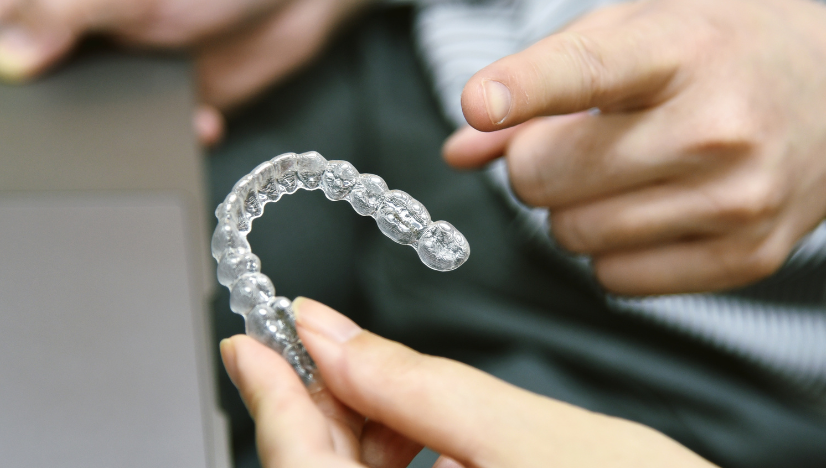
Invisalign aligners gently move the teeth into their desired positions. In the case of a diastema, the orthodontist or dentist would take impressions of your teeth to form a three-dimensional image of them. This image would help in designing a series of aligners that would be worn successively. Each successive aligner would move the teeth closer to their final placement. The process would work so that the gap between the teeth would slowly begin to close.
They are meant to be worn for 20 to 22 hours a day, except when eating or brushing your teeth. You are supposed to wear the aligners for 2 weeks before switching to the next set. This continues until the gap is filled, ensuring the teeth are correctly aligned.
Advantages of Invisalign for Diastema Correction
There are several reasons why an individual should consider using Invisalign to treat their diastema. Here’s why it can be the proper treatment for you:
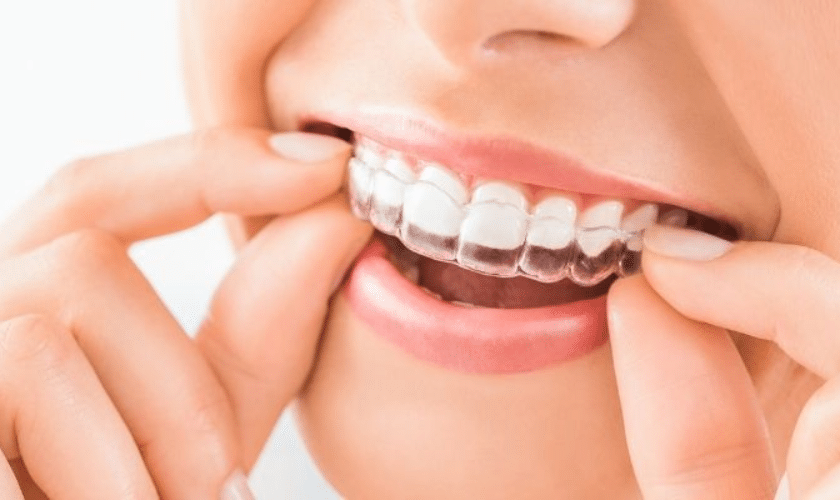
- Discreet Appearance: Invisalign braces are clear and discreet, so those who wear them can smile without worrying others will notice.
- Easy to Remove as Desired: Its aligner can be removed easily, for example, while eating or drinking. This helps maintain oral hygiene more easily than traditional braces.
- Comfortable to Wear: Since Invisalign braces are made of plastic, they are not harsh on your mouth and do not cause the kind of discomfort that braces are known to trigger.
- Easy to Clean: Aligners can be removed for cleaning. This is an added advantage, as they can be cleaned and maintained properly.
Invisalign vs Braces: Which is Best for You?
Invisalign and braces are designed to move teeth into place and correct misalignments, although they do this in different ways. In braces, this is achieved using metal and wires that exert constant pressure on teeth to move them into place. This approach is practical, though it can be rather bulky, especially for an adult seeking discretion.
On the other hand, Invisalign uses a set of customized, clear plastic aligners to move teeth gradually. They are nearly invisible, which is why many patients opt for Invisalign if they do not want the look of traditional braces. Another advantage is that they can be removed, allowing you to eat your favorite foods and brush your teeth just as you did before your Invisalign treatment. This convenience factor is one of the most essential aspects of Invisalign.
Take The First Step Toward Your Smile Transformation
If you want to fix the space between your teeth, then Invisalign may be the best solution for you. Indirect and comfortable correction allows you to easily and successfully correct your smile without anyone even noticing. Say goodbye to metal and brackets, and hello to clear, customizable correction.
Are you ready to move onward towards a brighter smile with confidence? To find out how Invisalign can help you achieve a gap-free smile without metal wires, contact us today at Dental Home Family Dentistry, Phoenix. Whether you want a straight smile or just want a cleaner look between your teeth, our team is ready to guide you through this journey.
FAQs
- What causes a diastema?
Diastema is often caused by genetics, thumb-sucking, misalignment, or an imbalance between the size of the teeth and jaw. It can also be caused by missing teeth or an oversized frenulum (tissue between the upper teeth). - How long does it take to close a diastema with Invisalign?
The treatment time for closing a diastema with Invisalign typically ranges from 6 to 12 months, depending on the severity of the gap and the individual’s treatment plan. - Are Invisalign aligners comfortable?
Yes, Invisalign aligners are made of smooth plastic, which reduces the risk of irritation compared to metal braces. However, some discomfort may occur when switching to a new set of aligners. - Can Invisalign be used for other dental issues?
Yes, Invisalign can be used to address various dental issues, including misalignment, overcrowding, and bite problems, in addition to closing gaps. - Can I eat with Invisalign aligners in?
No, Invisalign aligners should be removed while eating or drinking anything other than water. This helps prevent staining and damage to the aligners. - How do I care for my Invisalign aligners?
Invisalign aligners should be cleaned with lukewarm water and a soft toothbrush. Avoid using hot water as it can warp the plastic. Always store them in their case when not in use.