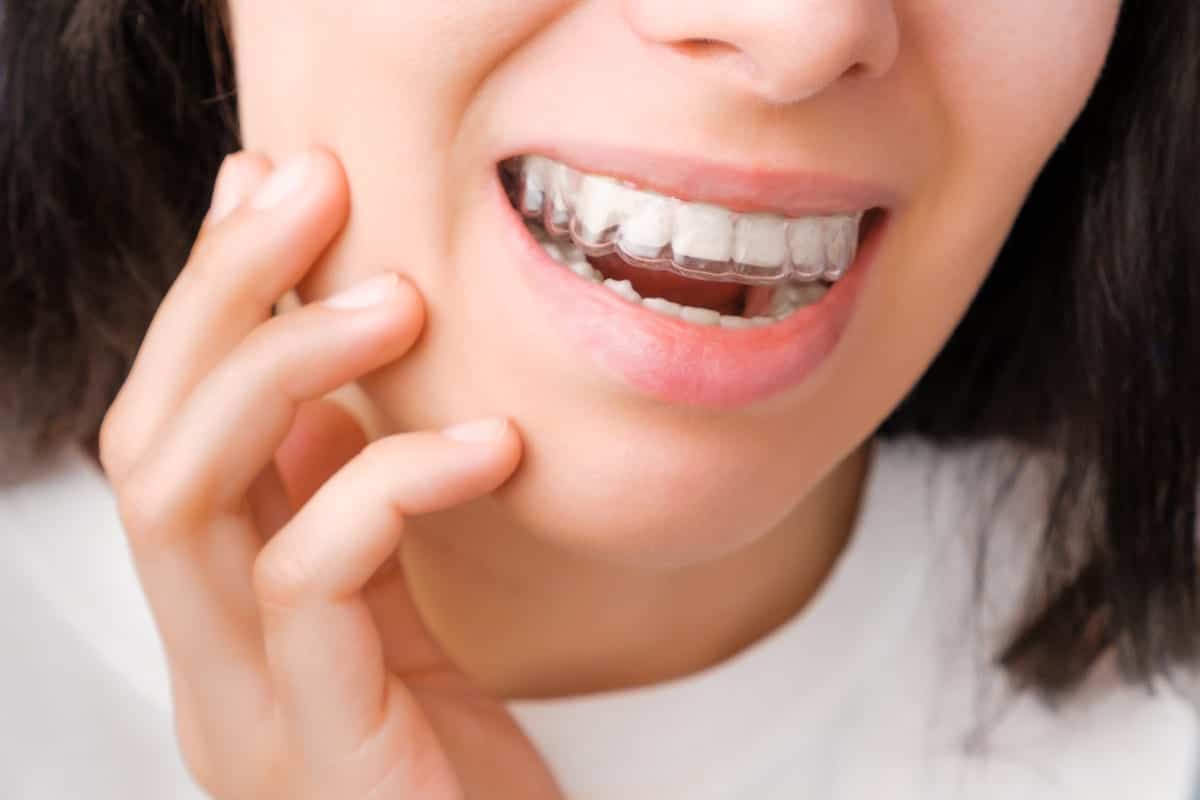

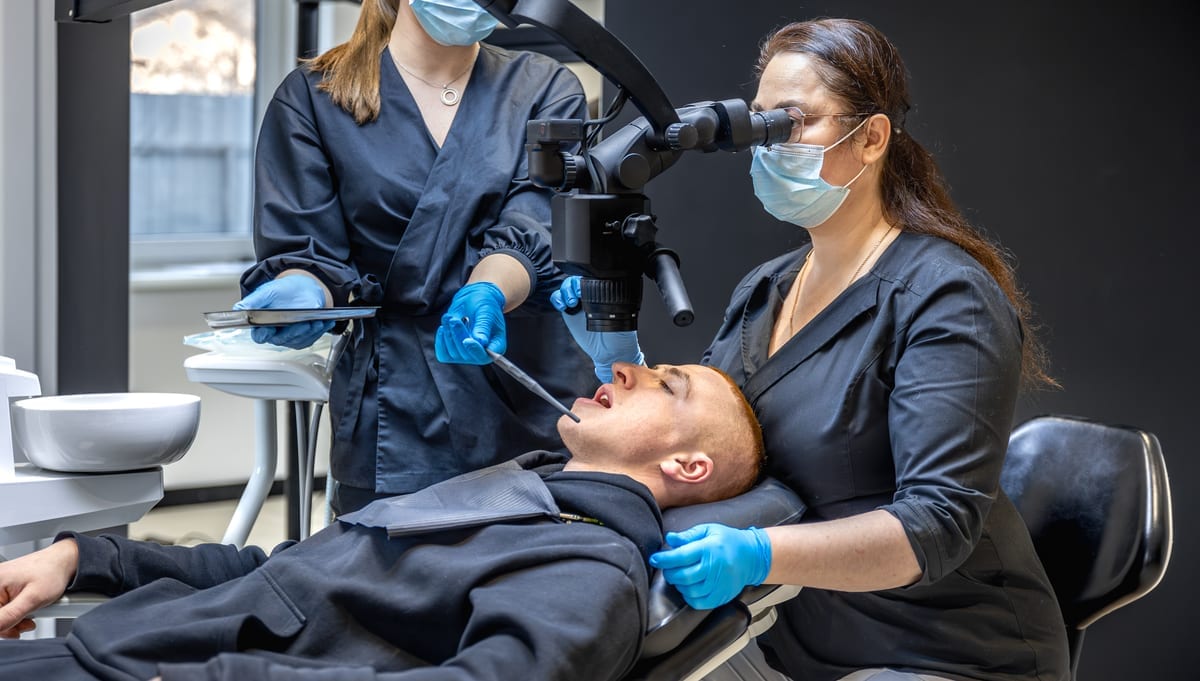
Root canal recovery in Phoenix doesn’t have to be stressful or confusing. At Dental Home Family Dentistry Phoenix, Dr. Edward Furlong helps patients understand every step of healing. Knowing what to eat, which medications help, and which warning signs matter makes a real difference. This guide covers everything you need for a smooth, confident recovery right here in the Valley.
What to Eat During Root Canal Recovery in Phoenix
Your mouth will feel tender and numb immediately after treatment. Choosing the right foods protects the treated area and speeds healing. Soft, cool foods work best during the first 24 to 48 hours. Avoid anything hard, crunchy, or sticky until sensitivity fades.
Here are the best food choices after your root canal:
- Yogurt and smoothies for easy nutrition
- Mashed potatoes and soft-cooked vegetables
- Scrambled eggs and soft cheeses
- Oatmeal, applesauce, and bananas
- Soup broth and lukewarm liquids
Avoid chewing on the treated side of your mouth. Hot foods and beverages can increase sensitivity and discomfort. Give your body a few days before returning to your normal diet. Most patients in Phoenix resume regular eating within three to five days.
Medications That Help With Root Canal Recovery
Over-the-counter pain relievers are very effective for most patients. Dr. Edward Furlong typically recommends ibuprofen as the first choice. Ibuprofen reduces both pain and inflammation at the same time. Take it as directed on the label and with food to protect your stomach.
If ibuprofen isn’t suitable for you, acetaminophen is a solid alternative. Some patients find rotating both medications every few hours provides better relief. Never exceed the recommended daily dosage for either medication. Always check with Dr. Furlong if you take other prescription medications daily.
Prescription antibiotics may also be prescribed if infection was present. Take the full course even if you feel better early. Stopping antibiotics too soon can allow bacteria to return. Follow all instructions from our Phoenix dental team carefully.
- Ibuprofen (Advil, Motrin) — reduces pain and inflammation
- Acetaminophen (Tylenol) — manages pain without anti-inflammatory effects
- Prescribed antibiotics — only if infection was detected before treatment
- Prescribed pain relievers — may be given for more complex cases
How Long Does Sensitivity Last After a Root Canal?
Mild sensitivity and soreness are completely normal after a root canal. Most patients experience peak discomfort within the first 24 to 72 hours. The sensitivity usually comes from the surrounding tissue healing around the treated tooth. This is a natural part of the recovery process and not a cause for alarm.
By day three or four, most patients notice a significant improvement. Full resolution of sensitivity typically happens within one to two weeks. The final crown placed over your tooth also affects how the bite feels. If your bite feels uneven after the crown is placed, contact our office right away for a quick adjustment.
Patients who practice good Preventive Dentistry Phoenix habits tend to heal faster overall. Keeping the area clean without aggressive brushing supports tissue healing. Use a soft-bristled toothbrush and gentle pressure near the treated tooth. Saltwater rinses can soothe gum tissue during the first week of recovery.
Warning Signs to Watch for After a Root Canal in Phoenix
Most root canal recoveries go smoothly without complications. However, certain symptoms signal that something may need attention. Recognizing red flags early helps you avoid setbacks and further discomfort. Contact Dental Home Family Dentistry Phoenix promptly if you notice any of the following.
Watch for these warning signs after your root canal treatment:
- Severe or worsening pain after three days instead of improving
- Visible swelling in the gum, jaw, or face that is increasing
- A bad taste or foul odor in the mouth that doesn’t go away
- The temporary crown or filling feels loose or falls out
- Fever above 101°F lasting more than 24 hours
- Difficulty opening your mouth wide or swallowing
These symptoms can indicate a persistent infection or an issue with the seal. Early treatment prevents the problem from becoming more serious. Dr. Furlong’s team is available to address concerns quickly and compassionately. Never wait more than 24 hours to call if pain is escalating rapidly.
Long-Term Care After Your Root Canal Is Complete
A root canal removes the nerve and pulp from inside your tooth. This means the tooth becomes more brittle over time without a protective crown. Dr. Edward Furlong always recommends placing a permanent crown promptly after treatment. This step is essential for protecting the tooth for years to come.
Good daily habits make a lasting difference after recovery. Brush twice daily and floss once each day around the restored tooth. Schedule routine checkups every six months to monitor the treated area. Consistent professional cleanings protect both the restored tooth and surrounding gum tissue.
Some patients explore smile improvements after completing essential dental work. Our team also supports patients interested in Cosmetic Dentistry Phoenix options after their oral health is restored. Healthy teeth are always the foundation of a beautiful smile. We love helping Phoenix families achieve both goals together.
Conclusion
Root canal recovery in Phoenix is manageable with the right information and support. Eating soft foods, taking appropriate medications, and watching for warning signs gives you confidence during healing. Dr. Edward Furlong and the Dental Home Family Dentistry Phoenix team are here every step of the way. Book Now to schedule your appointment with our team.
Frequently Asked Questions
How long does root canal recovery typically take?
Most patients experience peak discomfort within the first one to three days. Sensitivity usually resolves fully within one to two weeks. Full healing of the surrounding tissue can take a few weeks longer, but daily function returns quickly for most patients.
Can I go to work the day after a root canal in Phoenix?
Many patients return to work the next day without difficulty. If your procedure was complex or you received sedation, you may need an extra day of rest. Dr. Edward Furlong will give you personalized guidance based on your specific treatment at Dental Home Family Dentistry Phoenix.
Is it normal to have swelling after a root canal?
Mild swelling of the gum tissue around the treated tooth is normal for the first day or two. However, swelling that increases after 48 hours or spreads to the jaw or face is a warning sign. Contact our Phoenix office promptly if swelling worsens rather than improves.
What pain reliever works best for root canal recovery?
Ibuprofen is generally the most effective over-the-counter option because it reduces both pain and inflammation. Acetaminophen is a good alternative if ibuprofen isn’t suitable for you. Always follow the recommended dosage and consult Dr. Furlong if over-the-counter options don’t provide enough relief.
When should I get my permanent crown after a root canal?
Dr. Edward Furlong recommends placing the permanent crown as soon as possible after root canal treatment. A treated tooth without a crown is more vulnerable to cracking and reinfection. Most patients have their crown placed within two to four weeks of completing the root canal procedure.